Kombucha is a fermented, slightly alcoholic (less than 0.5% alcohol) tea-based drink. Brewing is simple. All you need to do is make a tea liquor, add a symbiotic culture of bacteria and yeast to it along with some natural sweetener like honey. The drink, when fermented enough, can be strained and bottled.
If you like a fizzy kombucha, then you can add dry berries. The sugars in these will react with the yeast to make a carbonated drink.
Table of Contents
Why use tea for kombucha
SCOBY or symbiotic culture of bacteria and yeast is used for fermentation in kombucha. The tea that you use allows the SCOBY to grow and develop. Tea leaves contain caffeine, nitrogen, and theanine which when combined with sugar feed act as nutrients for the SCOBY.
The SCOBY takes these nutrients from the tea along with sugar or honey and converts beverage into a fizzy, flavorful slightly alcoholic drink. Therefore, tea is very important and should be used in the production of kombucha.
Types of tea
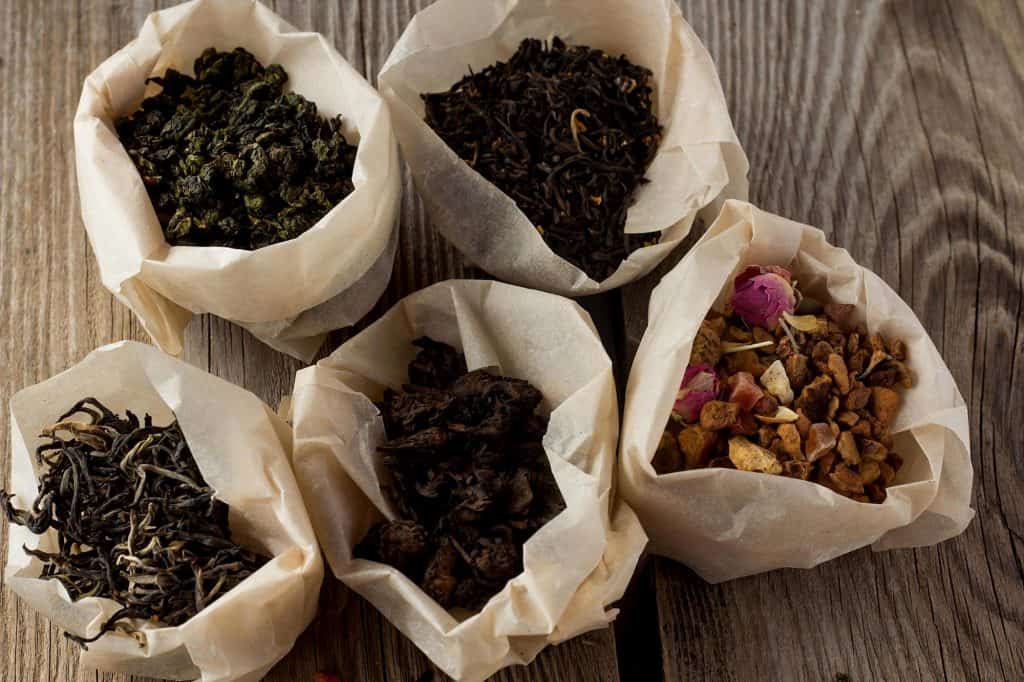
For kombucha, you should use flavorful teas that provide a rich, clean taste along with a warm color. Tea blends allow the kombucha to have a very unique flavor profile.
Black tea
If you prefer a strong flavor, then you should use black tea in your kombucha. The fermentation is far stronger with a black tea and the purines are higher. This results in a very rich and thick kombucha.
White tea
White tea gives a slightly sour taste to the kombucha. It needs to be brewed for almost 10 minutes before it can be used for a kombucha. Since it is a very subtle tea, this lengthy brewing period, allows the tannins to develop just right so that the SCOBY can get enough nutrients.
Oolong tea
If you want a fruity and fresh kombucha, then instead of using artificially flavored teas, go for an oolong tea. For a dehydrated SCOBY, Oolong tea is the best as it can cause quick activation.
Green tea
Like the black tea, green teas also allow the SCOBY to develop more and become really thick. But the flavor of kombucha made with green tea is mild and soft. The color of the brew is lighter as well.
Tea blends
Tea blends give an interesting and refreshing flavor to the kombucha. When you use a mix of black and green tea, the kombucha is not too strong or too mellow. Similarly, a mix of green, white and oolong make the kombucha very aromatic and flavorful.
The best tea for kombucha
Black tea
Numi Organic Tea
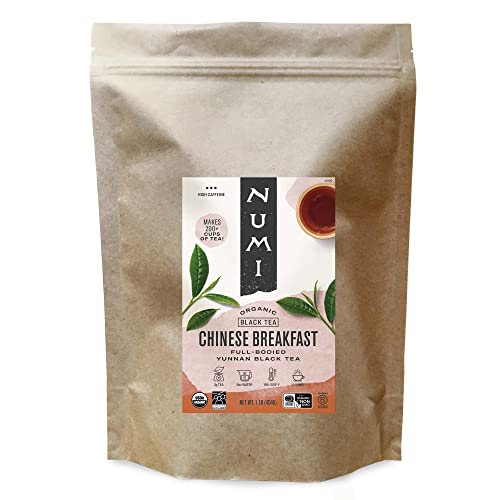
This Chinese breakfast tea is full of flavor and has soft floral notes that can really enhance the scent and taste of your kombucha. The tea is a full leaf, organic tea and when brewed it gives you a beautiful tiger’s eye color that is really vibrant.
How to brew:
- Take 1 teaspoon (heaping) of tea.
- Let it steep for 4 minutes in 12 Oz. of hit water. Avoid overstraining as that will develop the tannins, giving a bitter taste.
- Strain the tea in a cup or jar.
Pros:
- It has a lovely bright flavor that is fresh and soothing.
- The tea is strong enough to be taken with milk but it tastes just as beautiful without milk.
Cons:
- If you are looking for a decaf tea then this is not for you. This tea is highly caffeinated.
The taste might be too sharp for some.
VAHDAM, Darjeeling Tea Leaves from Himalayas

Vahdam brings a summer black tea from Darjeeling that is quite sharp and rich. The tea is flavored with berry undertones and is a mix of short dark brown rolls of leaves and a few flake green leaves. Even though the flavor is rich, the liquor is actually quite mild and calming.
How to blend:
- Pour boiled water over 2 gm of leaves (about a teaspoon).
- Steep for 3 to 5 minutes, depending on how strong you want your tea to be.
- Strain the tea and then add a sweetener if you wish.
Pros:
- A very refreshing and unique flavor profile that is infused with notes of the date palm and fermented barley.
- The tea is packed in a double air sealed zipper bag that has an aluminum lining. This allows it to stay fresh for a long time.
Cons:
- Does not taste very good with milk.
Green tea
Newman’s Own Organics Green Tea

Green tea makes quite a refreshing kombucha. Newman’s organic green tea is mellow and really comforting. It will lend a lovely flavor and a rich color to your kombucha.
How to blend:
- Take 1 teaspoon of tea and pour hot water over it.
- Let the tea steep for a while (till you get a desirable color).
- Strain and pour it into the serving pot.
Pros:
- This tea is fresh and has a very clean taste.
- Even though this is an organic tea, it is available at a very affordable rate.
Cons:
- If you like strong teas then this is definitely not for you. It has a very mild taste.
Tea blends
Kombucha Loose Leaf Black and Green Tea 50/50 Blend
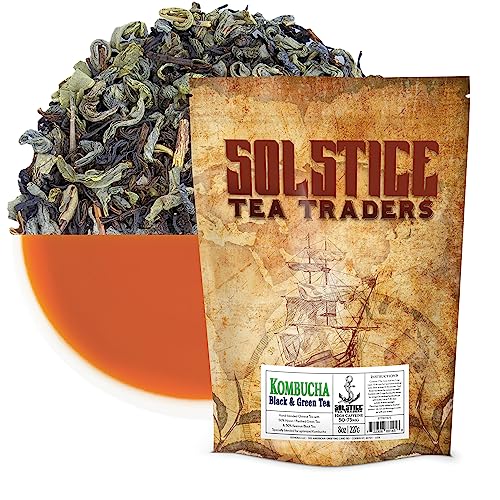
This kombucha tea blend is created using the very best of black and green tea. Since it is a 50/50 blend, the flavor is smooth and not too sharp. The blend consists of loose leaves from specialty black and green teas.
How to blend:
- Shake the package to mix the two teas well. Green tea leaves, being lighter have a tendency to settle at the bottom.
- Take about 2 gm of tea and let it steep for 3 minutes.
- Strain and pour it in a jar to brew your kombucha.
Pros:
- The combination of the two types of tea gives a very robust yet mellow flavor.
- You can modify the number of leaves that you are brewing to get either a strong or a mild brew.
Cons:
- The packaging is rather thin and the tea leaves might get crushed.
- You will always need to mix the contents before you can use it. Otherwise, the brew can end up with a very one-dimensional taste and flavor.
The Kombucha Shop Original Kombucha Tea Blend

With a combination of citrus and earthy scents, this tea blend is great for a kombucha. This blend contains loose leaves of the Single Estate Ceylon Black tea and the Wuyi Oolong tea.
How to blend:
- Boil water and add 3 tablespoons of tea.
- Let it steep for 5 to 7 minutes.
- Strain the tea and continue with your kombucha brewing procedure.
Pros:
- One bag of this tea blend can be used to brew a gallon of kombucha.
- It has the correct amount of yeast and bacteria to make a very balanced brew.
- No artificial oils or fragrances are added to the blend.
Cons:
- This tea blend is more expensive than most.
- The flavor can seem a little light or too mild to those who prefer stronger teas.
Yogi Tea – Green Tea Kombucha
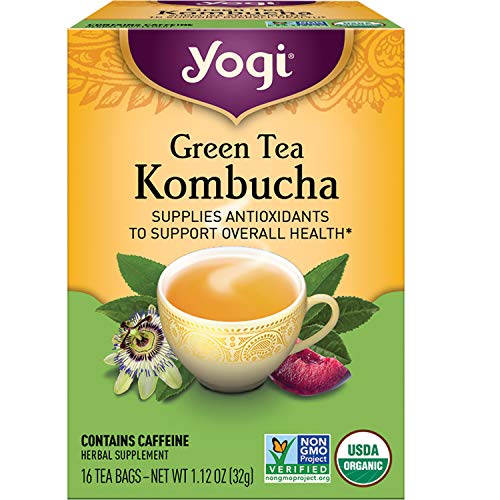
If you want healthy tea for your kombucha then this is the one for you. With fresh and fruity flavors of spearmint, lemongrass, plum and passion fruit, this tea blend is delicious and refreshing.
How to blend:
- Bring the water to a boil.
- Add a tea bag and let it steep for 3 minutes.
- After 3 minutes, the tea will have a warm color and you can take the bag out.
Pros:
- This tea blend contains antioxidants and is very healthy.
- It has no added sugar, or artificial flavors and is gluten-free.
- It is packed in individual tea bags which makes it easier to brew.
Cons:
- The tea is quite weak.
- The taste might be too sweet for those you prefer sharp flavors.
Types of teas to avoid for kombucha brewing
Since tea has a very crucial function to perform in the production of kombucha, you cannot use just any tea. There are only specific teas and tea blends that will allow you to brew the perfect kombucha. Other teas will hamper its taste and flavor. Given below are the teas that you should never use for kombucha.
Artificially flavored teas
Black or oolong teas are usually great for kombucha. But if they have artificial flavors in them, then those additives can interfere with the development of SCOBY. As a result, your kombucha will not taste good.
Medicinal herbal teas
Medicinal teas often have antibacterial elements. These can cause the SCOBY to deteriorate, giving you a very weak brew.
Decaf teas
The SCOBY needs caffeine to grow and develop. This is not possible in decaffeinated teas and therefore, your kombucha will not have a very robust flavor.
The next steps
Each kombucha will have its own unique flavor and aroma. Choose a clean and healthy tea that suits your taste buds and use it to produce a full-bodied kombucha that has a beautiful color and an amazing flavor.

Leave a Reply